
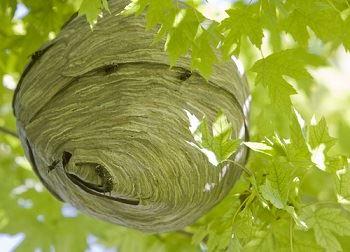
Wasp Season Forecast 2026
As summer begins, wasp nests become active again. On a sunny summer day, our helpline for wasp nest treatment and removal can suddenly face extreme demand.
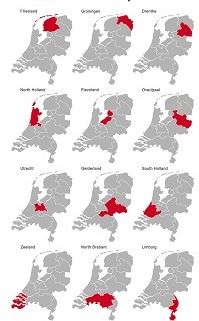
How can we predict the numbers?
Every year we analyse the volume of reports we receive alongside the number of appointments we carry out. We link this data to the weather conditions of the previous year and the current year. To make a reliable comparison, we also collect similar data from our partner companies.
We factor in other natural circumstances as well — including the rise of the European Paper Wasp and the Hornet, and the decline in honeybee populations and other insects that affect the survival rate of wasp queens.

What factors have an influence?
A wasp nest can only succeed if the queen survives winter and spring and is able to complete the initial work required to establish the nest.
Below we discuss the factors that influence this. We focus on the two species most familiar to us: the German Wasp (Vespula germanica) and the Common Wasp (Vespula vulgaris).
Temperature and weather conditions
Temperature and weather play a crucial role in the survival chances of wasp queens. The number of wasp nests is determined by the number of queens — every nest has just one. Each season brings its own risks for a new generation.

The seasons examined
Spring
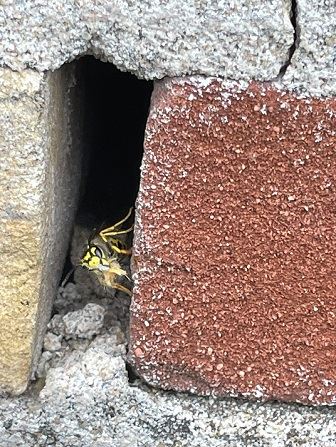
The queen emerges from hibernation when temperatures have been warm for several consecutive days. Once awake, she cannot return to hibernation — she must make do with whatever conditions nature gives her at that moment. At this stage the queen is still very weak while simultaneously having a great deal of work to do to start a new nest.
Cold snap
If a cold snap or a period of storms and heavy rain returns at this point, it can seriously threaten her survival. Severe weather fluctuations at the exact moment the queens have just woken up have a significant impact on the number of wasp nests we can expect in summer. The 2021 season is a clear example of this.
Summer
Once the queen has successfully raised her first offspring (the workers), the hardest part is over. From this point she only needs to lay new eggs. The workers take care of building the nest and feeding the larvae, while the queen remains safely in the core of the nest.
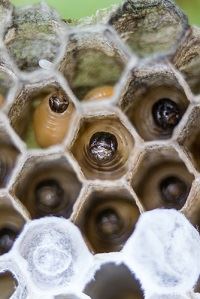
The better the workers can do their job, the larger the nest will grow during summer — and the larger the nest, the more successful the mating flight in autumn is likely to be.
The biggest threat in summer is humans
During summer, the greatest threat to wasp nests comes from people. Many nests are located in spots where residents or passers-by are disturbed by them, and wasps can pose a danger to us. Every year there are incidents. As a precaution, many residents have their wasp nest treated.
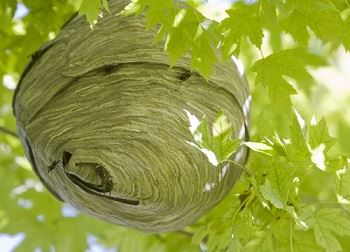
During a sunny summer, more nests are spotted because people spend more time in their gardens. Fine weather also means more food — insects and sweet substances — is available for wasps, which drives additional growth in nests that are not treated.
Combination of a good spring and a poor summer
If a favourable spring produces many wasp nests that go largely unnoticed during a mediocre summer, a surge of nuisance complaints can be expected in August and September.
Autumn
Around September and October, when the nest has reached its full size, fertile females and males emerge from the final pupae to mate. The success of this mating flight has a major influence on the following season.
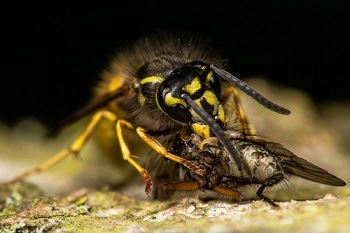
The more males and fertile females (new queens) produced during this phase, the more matings take place. The fertilised females find a sheltered spot to overwinter; the males all die.
Interestingly, poor autumn weather can actually benefit the next generation. When September is wet and cold, residents spend less time outdoors and therefore notice fewer nests — allowing the colony to complete its mating phase undisturbed.
Winter
Winter has the least influence on the number of wasp nests we can expect. Queens generally hibernate in a sheltered location.
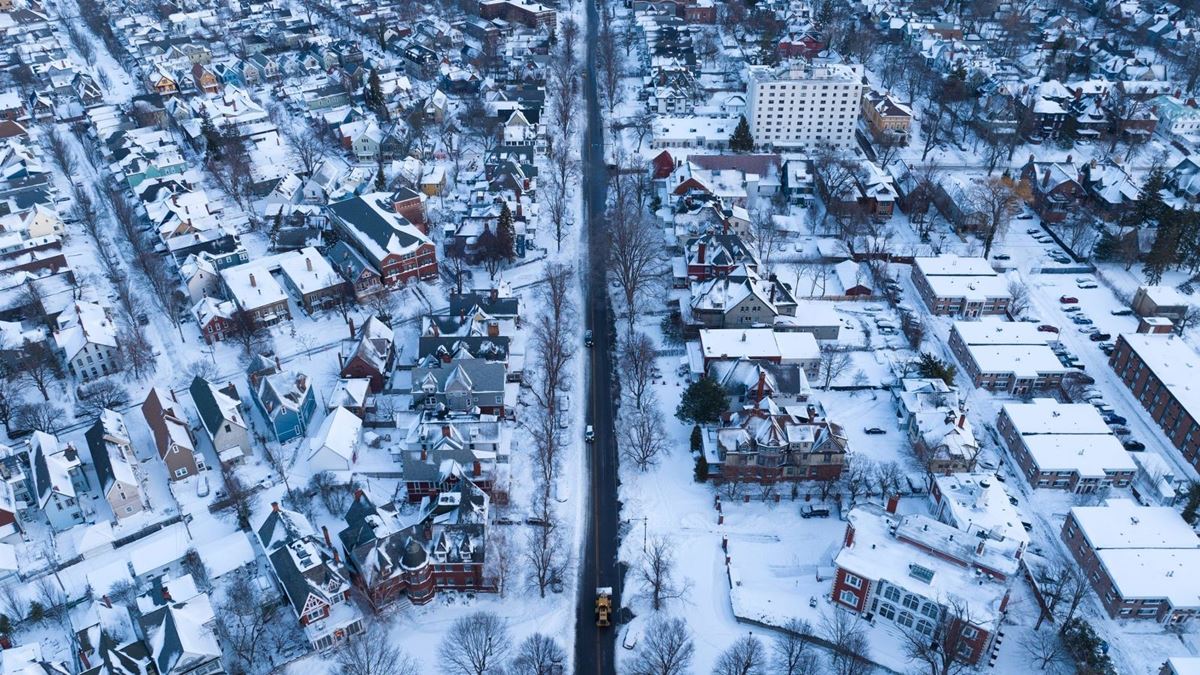
It is often claimed that a very harsh winter kills hibernating queens. We would like to add some nuance here. A queen in hibernation in a sheltered spot can withstand very low temperatures. We believe it is the stability of the cold that matters most — sudden temperature swings during winter are the biggest risk, not the temperature itself.
Food, Flora and Fauna
Climate indirectly affects the number of wasp nests through its impact on other insects and plants. Wasps need other insects for protein and to feed their larvae. The sugars in flowers and plant sap are also important sources of carbohydrates.
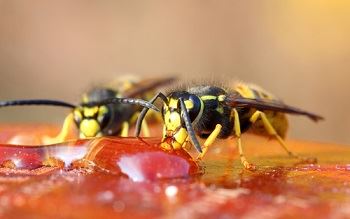
The insect population is affected not only by climate but also by the use of biocides. Declining populations of species such as the honeybee disrupt the food chain that wasps depend on.
In spring, most queens wake from hibernation while still very vulnerable, with a lot of work ahead. When food is scarce, queens can become too weak and ultimately die — so timing their emergence to coincide with a healthy natural environment is critical to their survival.
What can we expect in 2026?
To form a reliable forecast, we look primarily at recent years and their weather conditions.

Season 2024 was a mediocre, wet summer that got off to a late start. Wasp nests were not noticed until mid-summer and reports only began rising sharply in mid-August. In a normal year, nests are already spotted by late June when most people are spending time in their gardens.
Season 2025 returned to the familiar pattern: a gradual increase in reports from the second half of June, followed by an explosive rise in July. The delayed 2024 season did not set a new trend.
2026 — Spring so far has been fairly stable. April has seen many sunny days with temperatures around 18°C. The first nests at ping-pong ball size — where only the queen is working — have already been spotted. If no extreme weather follows, we expect the usual curve again. We will continue to update this page throughout the season.
Notable seasons
2021: An early spring with dramatic consequences
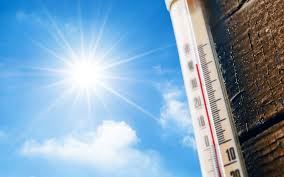
In the final week of March, the Netherlands experienced several days of temperatures above 20°C. Many queens woke from hibernation early — only for the weather to shift sharply in April to prolonged cold spells with frost.
Had it stayed cold only in April, many queens might still have survived. But May turned out to be cold and wet too, and was punctuated by a severe spring storm on 21 May.
This precise combination — warm temperatures in early spring followed by two difficult months — is thought to have caused widespread queen mortality. The following summer had very few active wasp nests. Had the queens emerged a little later in 2021, the outcome would likely have been very different.
2018: The most extreme wasp season on record

Nobody saw it coming. Not a single company we know of was prepared in spring 2018 for what lay ahead. By the final weeks of June, people were waiting hours on the phone to book an appointment for nest treatment or removal.
An acute shortage of call handlers emerged, followed by a shortage of wasp controllers and even treatment products. It became a chaotic season — many residents watched their nests grow larger each day while specialists had no time or no supplies left to help.
Records
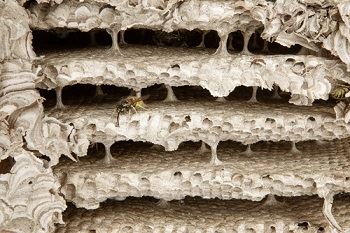
2018 was by far the busiest year we have ever had. It was almost certainly the result of a perfect storm of seasonal factors aligning:
- The favourable autumn of 2017 produced a large number of new queens
- Winter was relatively stable
- Spring was calm and warm, with no extreme fluctuations
- Summer was exceptionally sunny for weeks on end
Many people took their holidays in the Netherlands that year, and encountered wasp nests in their gardens or holiday homes as a result.
Spotted a wasp nest? Don't wait for it to grow — Meldpunt Ongedierte responds within 1 hour of your report and treats the nest within 24–48 hours.