
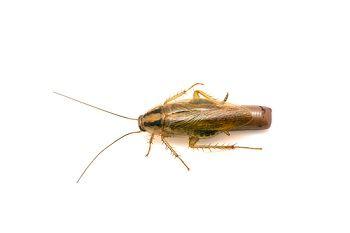
Cockroaches: Identification, Prevention and Control
Cockroaches are among the most resilient pest species in the world. They are nocturnal, incredibly fast and hide in cracks and crevices during the day. An infestation rarely resolves on its own.
Most common species in the Netherlands
| Species | Size | Colour | Habitat |
|---|---|---|---|
| German cockroach | 12–15 mm | Light brown, 2 dark stripes | Kitchens, catering |
| Oriental cockroach | 20–25 mm | Shiny black-brown | Crawl spaces, drains |
| American cockroach | 35–40 mm | Reddish brown | Boiler rooms, plant rooms |
Signs of an infestation
- Droppings: small dark granules (resembling coffee grounds) along skirting boards and inside cupboards
- Egg case (ootheca): brown, elongated capsule 8–10 mm long, containing 15–40 eggs
- Musty smell: a sweet, musty odour in larger populations
- Cockroaches seen during the day: indicates severe overcrowding in the nest
Health risks
Cockroaches are genuine vectors of disease:
- They transfer bacteria to food (salmonella, E. coli)
- Their droppings and shed skins trigger allergic reactions and asthma
- In healthcare and catering settings they represent an immediate regulatory violation
DIY treatment: does it work?
Supermarket products (sprays, gel) provide temporary relief but do not destroy the nest. The best DIY results come from:
- Cockroach traps to assess population size
- Professional-grade gel bait (more effective than sprays)
For complete elimination, professional treatment is necessary.
Professional treatment
- Inspection — locating nests and mapping routes
- Gel bait — works via cannibalism through the colony
- Residual treatment — active substance applied to run trails
- Follow-up visit — return inspection within 2 weeks
Cockroaches in a catering or healthcare premises? Contact us immediately — we act discreetly and swiftly to protect your certification and reputation.