
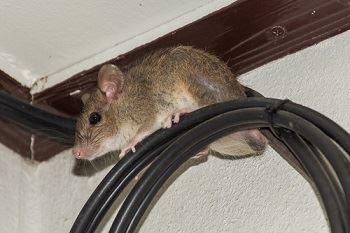
Mice in the House: Causes, Risks and Solutions
A mouse can squeeze through an opening as small as 7 mm — smaller than a ten-cent coin. Once they find a warm, food-rich environment, they build a nest quickly.
Why do mice come inside?
| Season | Reason |
|---|---|
| Autumn / Winter | Cold outside, warmth inside |
| Spring / Summer | Food-seekers during dry spells |
| Year-round | Food, water or nesting opportunity present |
The dangers of a mouse infestation
Mice are not just a nuisance — they are also a genuine hazard:
- Disease agents: mice spread salmonella, hantavirus and mould spores through their droppings
- Fire risk: they gnaw on electrical wiring
- Food contamination: droppings and urine in kitchens and pantries
How to recognise mice
- Droppings: 3–6 mm, pointed at the ends, found in cupboards and along skirting boards
- Gnaw marks on food packaging, cardboard and woodwork
- Mouse odour: a sharp ammonia smell in serious infestations
- Night-time sounds: squeaking and scurrying in cavity walls or ceilings
Effective control
Step 1 — Seal entry points
Use steel wool + sealant to block all gaps and cracks. Also check:
- Gaps under doors
- Open holes around pipes and cables
- Damaged ventilation grilles
Step 2 — Improve hygiene
- Store food in sealed containers
- Remove clutter from sheds and crawl spaces
- Use a closed or raised compost bin
Step 3 — Professional treatment
DIY products cannot resolve a serious infestation. A professional pest controller applies rodenticides in targeted locations and checks effectiveness after 1–2 weeks.
Not sure whether you have mice or rats? Get in touch — we identify the species and draw up a tailored plan.